
Articles & Guides
American Sign LanguageFree ASL Learning Resources for Parents and Children
Find public ASL lessons, sign demonstrations, stories, and family directories, plus a practical way to choose resources and get useful feedback.

Educational guide; specialist language review has not been recorded. Learn sign production from the linked language-specific demonstrations and qualified teachers.
Build a small ASL learning collection with three jobs: a lesson to follow, a demonstration to answer a vocabulary question and a person or group to ask for feedback. The resources below help with those jobs, so you can decide which link to open when a family conversation leaves you stuck.
The links focus on ASL. Free public materials are identified below; confirm the current fees and registration conditions for any classes or services you choose.
1. ASL University for a learning sequence
ASL University provides free self-study lessons and sign videos. Its FAQ distinguishes public self-study material from paid options involving assessment or documentation.
How to use it: Begin with a lesson rather than jumping between random words. Write down one idea you can bring into a family routine and one question for a teacher. Watch demonstrations for understanding as well as copying.
Check before paying: Whether you need feedback, documentation, formal credit, or simply the publicly available lessons. These are different purposes.
American Sign Language
Build a small learning shelf
Start with a family situation, then choose resources for a specific job. A long bookmark list is not the goal.
Mealtime choices
You want to offer a choice and understand the answer. Look for support for that whole exchange.
One beginner lesson about choices.
A dictionary entry to revisit.
Someone to ask about your attempt.

One question before you use it
Does this resource show how the expressions fit a conversation, or only isolated words?
2. Demonstrations for a specific learning question
Use the sign-video search on Lifeprint when you want to investigate a particular concept. Read the context and compare examples instead of assuming every English word has one interchangeable ASL equivalent.
How to use it: Start with a meaning you want to express, such as finishing an activity or asking for help. Save the relevant page and ask a teacher how the expression fits into a conversation. Keep the link with your practice note so another caregiver can see the same source.
3. Signed stories for a shared activity
The American Society for Deaf Children resource page links to a directory of stories presented in ASL, alongside family and organization directories.
How to use it: Choose a familiar story and watch a short section together. Pause when your child wants to look at a picture or share an idea. You can return to the same story several times; finishing a new title every day does not need to be the goal.
Check access: The directory is a starting point. Individual resources may have their own availability, purchase, or account conditions.
Before you save another link
Four checks help turn a search result into something your family can use.
4. Family and community connections
Use the ASDC directories to look for relevant organizations. The National Association of the Deaf parent guide also discusses family learning and contact with Deaf community members.
How to use it: Ask whether a program welcomes families with children of your child's age, which signed language it uses, who teaches, and whether individual feedback is available. Confirm fees directly rather than assuming a directory listing means a class is free.
Ask before joining a class
You could write to a provider: “I'm learning ASL to talk with my child during meals and play. Is this class suitable for parents, and can I get feedback on a short exchange?”
Ask who teaches and how Deaf expertise is involved. Check whether you will practise understanding other people as well as producing signs. Those answers will tell you more about the fit than the number of vocabulary items advertised.
Give each bookmark a job
Open your saved learning links and add a one-line purpose to each: “next lesson,” “check this meaning” or “ask about family learning.” If two links do exactly the same job, keep the one you can most easily return to and understand. Keep a backup when access is unreliable.
Next, test one resource on the device you normally use with your child. Can you find the example again, replay it and identify the source? Write down any account or payment step before recommending it to another caregiver. You should be able to open the right example again without repeating the search.
Common questions
Can free resources teach me everything I need?
They can support a strong start. Your needs may also include interaction, feedback, and language support tailored to your child. Decide what is missing from your current learning rather than assuming a paid or free label answers that question.
Is a dictionary enough?
A dictionary answers vocabulary questions. Pair it with lessons and conversation practice so you can learn how to understand and use expressions in context.
Should my child use an adult course independently?
Check the intended audience and use materials together when appropriate. A course suitable for a parent is not automatically designed for a young child's independent use.
Save three links you can use again
Save one lesson, one demonstration, and one family-support contact. Add SonaSteps' ASL learning path if you want family-focused prompts for practising in everyday moments.
Sources and learning links
Make this part of your everyday
Explore family learning ideas at your own pace, starting with a moment that matters to you.
Explore family learningResource Center
Keep exploring
More small steps for learning and connecting together.
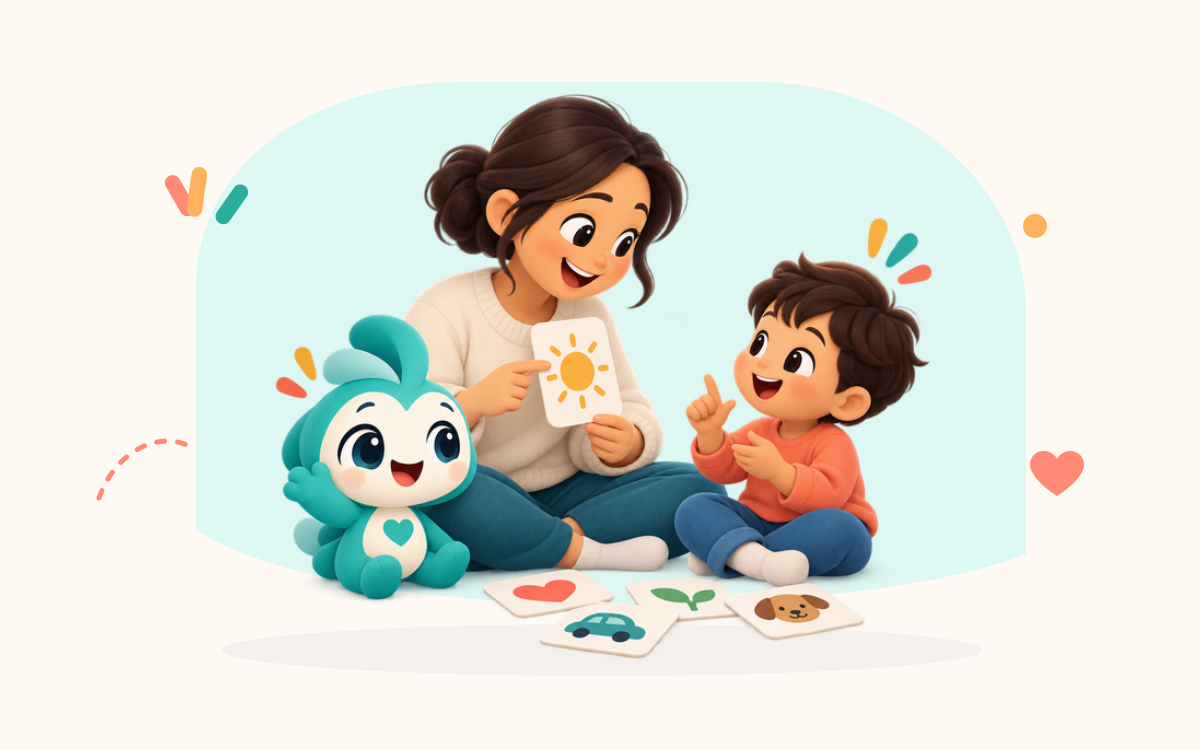
Articles & Guides · ASL
How to Learn ASL as a Parent: A Practical Starting Guide
Start learning ASL with a practical family plan: choose reliable lessons, build everyday routines, find feedback, and set realistic expectations.
Read the guide
Articles & Guides · ASL
20 Everyday Communication Concepts to Explore in ASL
Choose useful ASL vocabulary for meals, play, feelings, and everyday needs. Find demonstrations and turn a short list into family conversation.
Read the guide
Articles & Guides · ASL
ASL Alphabet for Beginners: A Family Guide to Fingerspelling
Learn what the ASL alphabet is for, find reliable demonstrations, and practise fingerspelling with names and familiar words at your family's pace.
Read the guide